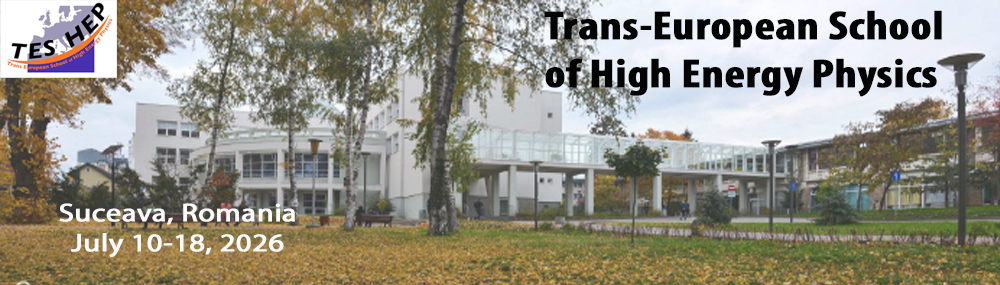
Suceava, the historic capital of the Bucovina region in northeastern Romania, offers a uniquely rich cultural environment shaped by centuries of coexistence among diverse ethnic and religious communities. Situated at the crossroads of Central and Eastern Europe, Bucovina has long been home to Romanians, Ukrainians, Poles, Germans (Bukovina Germans), Jews, Armenians, and Lipovan Russians, each contributing to the region’s distinctive cultural mosaic. In the late 14th and 15th centuries, Suceava also served as the capital of the Principality of Moldavia, playing a central role in the political and cultural development of medieval Moldova. This multicultural heritage is reflected in Suceava’s architecture, religious landmarks, languages, traditions, and cuisine, where Orthodox churches stand alongside Catholic and Armenian churches, and long-standing customs continue to be celebrated through festivals and community life. The legacy of the Habsburg period further enriched the region with Central European influences, fostering an atmosphere of openness, education, and intercultural dialogue. Today, Suceava preserves this spirit of diversity and hospitality, offering not only an inspiring academic setting, but also the opportunity to experience the living traditions and harmonious multicultural character that define Bucovina.